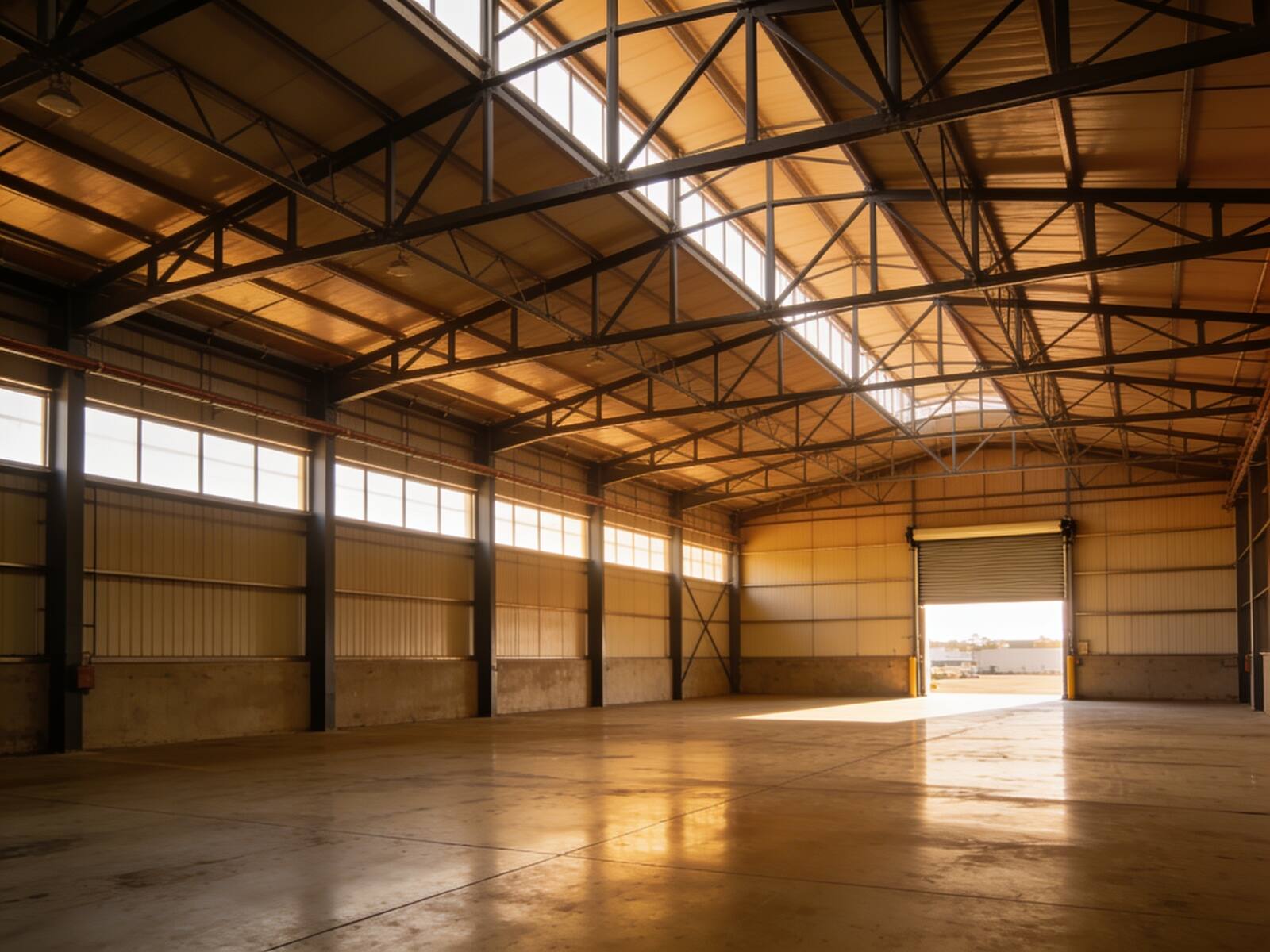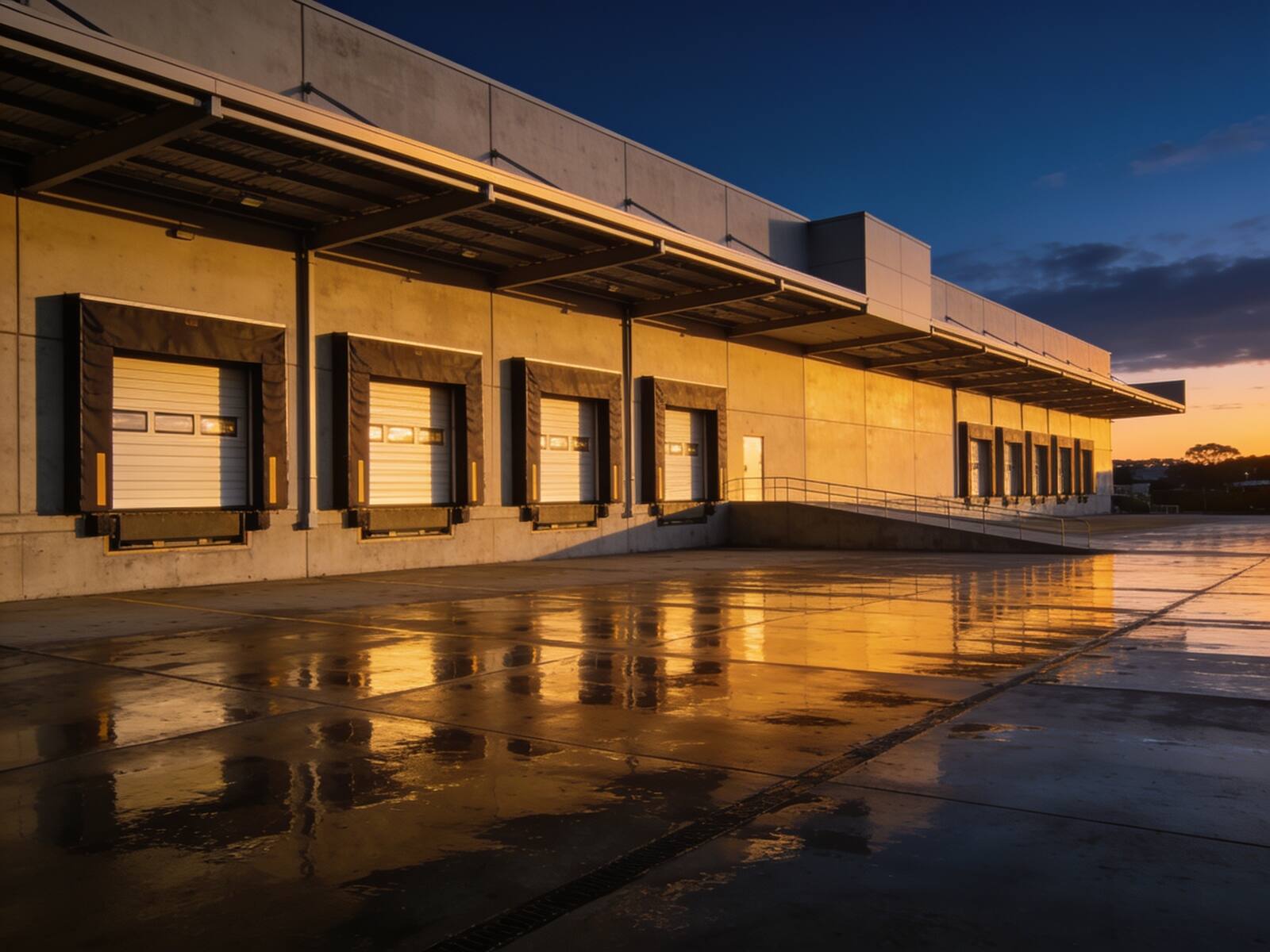
Warehouses. Logistics assets. SMSF-owned industrial. Managed by people who understand clear span, OSR, and what happens at make-good, not by a residential team with a commercial folder.
Western Sydney's industrial corridor stretches from Eastern Creek and Erskine Park through Wetherill Park, Smithfield, and into Penrith. These assets carry outgoings structures, compliance obligations, and make-good requirements that generalist agencies consistently miss. Managing them well requires direct knowledge of NSW industrial lease terms, not a residential team handed a commercial folder.
BLOX Commercial manages industrial properties across this corridor full-time. Every lease review, outgoings reconciliation, and bank guarantee expiry is tracked in advance. When a tenancy ends, make-good is documented and enforced. When rent review windows open, we capture them. Property owners get proactive management, not a call after something has already gone wrong.
Industrial property management is a specialist discipline. A Western Sydney warehouse, logistics hub, or SMSF-owned industrial asset has compliance obligations, outgoings structures, and lease risks that are fundamentally different from office or retail.
Every industrial property Blox manages gets a full compliance and lease review from day one. We check development consent conditions, OSR ratios, outgoings schedules, dilapidation documentation, and rent review dates. Most assets we take over have at least one open item the previous manager never actioned.
From Norwest Business Park to the M7 logistics corridor, Blox manages industrial assets across the full Western Sydney geography with lease-specific expertise.
Self-managed super funds can hold industrial property and lease it to a related business, but only on strictly arm's length commercial terms. The ATO requires trustees to demonstrate at any point that the rent is consistent with what an unrelated tenant would pay, and that lease events are managed exactly as they would be with a third party.
Every lease event, rent review, outgoings reconciliation, make-good claim, is a revenue or risk moment. Most miss it entirely. We don't.
On a net industrial lease, most building operating costs pass through to the tenant. But the scope is defined by the lease, not by what seems reasonable. Every outgoings schedule Blox manages is benchmarked against the lease wording and reconciled annually, with any recoveries claimed before the window closes.
Not sure what your lease allows? Most outgoings disputes come down to one or two ambiguous clauses in the schedule. Blox reviews every outgoings clause before reconciliation and recovers what the lease supports.
Review My LeaseFor an industrial asset, make-good at lease end can involve floor reinstatement, racking removal, hardstand repair, chemical decontamination, and full professional cleaning. A six-figure claim is not unusual on a larger facility. Without documentation and active management throughout the lease, most of that money is unrecoverable.
Western Sydney and beyond: Blox is based at Norwest Business Park and manages industrial assets across the full Western Sydney corridor. The core geography covers the Hills District, Baulkham Hills, Castle Hill, Blacktown, Seven Hills, and Penrith, extending through the M7 logistics spine to Eastern Creek, Wetherill Park, and Erskine Park. For the right asset and the right client, Blox operates across Greater Sydney and regional NSW. Wherever the property sits, the approach is the same: local-grade knowledge, direct access to the decision-maker, and accountability that national operators cannot match.
Current yield ranges by precinct across the M7 and greater Western Sydney industrial markets. Q1-Q2 2026 data. A well-managed asset with clean documentation consistently attracts a tighter cap rate at sale.
Yields are a function of WALE, tenant covenant, building quality, and site improvements including hardstand. A well-managed asset with documented leases, current rent reviews, and clean outgoings reconciliation will attract a lower cap rate at sale than equivalent undermanaged stock. Get a free industrial lease audit for a current estimate on your asset.
"We'd owned the Wetherill Park warehouse for six years. Blox took over and within 90 days had restructured two leases, recovered $16,000 in outstanding outgoings, and identified an OSR breach in the tenant's fitout we had no idea about. The previous manager had never raised it."
Specific answers about industrial lease management, SMSF compliance, outgoings recovery, and make-good in Western Sydney, in plain language.
Industrial management involves more technical documentation. Clear span records, hardstand condition surveys, OSR compliance checks, and industrial-specific make-good. Lease structures tend to be net or triple-net, meaning significantly more outgoings categories to track and reconcile. Make-good at lease end is typically larger in scope and cost than office premises. A warehouse tenant leaving a 3,000 sqm facility can generate a six-figure reinstatement bill. A manager without industrial-specific experience will miss the complexity at every stage.
Yes, but only on arm's length commercial terms. The lease must be at market rent, with standard commercial conditions, and enforced as it would be against any unrelated third-party tenant. The ATO requires SMSF trustees to demonstrate compliance at any point, including at every rent review. An SMSF paying below-market rent to a related business is treated as providing a financial benefit from the fund to a related party, which is a serious breach. Blox works directly with SMSF trustees and their accountants to ensure all lease events are documented to ATO standard.
On a standard net industrial lease: council rates, water rates, building insurance, fire safety compliance costs, waste removal, security costs, and common area maintenance. Land tax is recoverable where the lease specifically includes it. If the lease is silent, recovery is not guaranteed. Capital works and structural maintenance are typically the landlord's responsibility. Blox reviews every industrial outgoings schedule against the lease annually and escalates any disputes before they accumulate.
A dilapidation report is a detailed photographic and written condition survey of the premises at a point in time. For industrial assets it documents the warehouse shell, concrete floor condition, hardstand, loading docks, roller doors, and all fit-out elements. Without a baseline report at lease commencement, you cannot substantiate a make-good claim at lease expiry. Blox produces a dilapidation report for every industrial tenancy we manage.
Prime logistics assets in Eastern Creek and Erskine Park are currently transacting at 4.5–5.25%. Established multi-unit industrial in Wetherill Park and Smithfield ranges from 5.5–7.5% depending on building age and quality. Marsden Park new stock sits around 4.75–5.5%. All figures are Q1–Q2 2026. A well-managed asset with clean lease documentation will consistently attract a lower cap rate at sale than equivalent undermanaged stock. Get a free industrial lease audit for a current estimate on your asset.
The OSR is a development consent condition limiting how much of an industrial building's gross floor area can be used as office space, typically 10 to 15% in Western Sydney industrial zones. Tenants regularly fit out large mezzanine offices beyond that limit. If the OSR is breached and discovered during a council audit, the landlord faces enforcement action, not the tenant. Blox reviews proposed tenant fitouts against development consent conditions before works commence.
Start at lease commencement with a detailed condition report on file. Ensure the make-good clause specifies removal of all racking and fixtures, reinstatement of hardstand, professional cleaning, and removal of any contaminated materials. Hold a bank guarantee of at least three months' rent. Issue written notice to the tenant of expected make-good works at least six months before lease expiry. Blox manages the formal claim, obtains independent contractor quotes for disputed scope, and holds the bank guarantee until works meet the required standard.
Trustees need a written record of the review date, the rent determined, and the market evidence used to support that figure. For a related-party tenant, independent market evidence is required: comparable lease evidence at minimum, or a formal independent valuation for higher-value assets. The documentation must demonstrate the rent is consistent with what an arm's length tenant would pay. Blox prepares this documentation as part of our SMSF industrial management process and provides it in a format suitable for your accountant's annual SMSF audit.
Tell us the address, current rent, and when the lease expires. We'll identify what your current manager is missing: open rent review dates, unclaimed outgoings, make-good preparation gaps, OSR compliance risks.