
Retail property management
Shops run on the Retail Leases Act.
Most managers treat a shop like an office lease with a bigger rent cheque. Blox runs retail assets under the Retail Leases Act 1994 NSW. Disclosure served before signing. Land tax kept out of the budget. Outgoings reconciled before the deadline.
The statutory clock a retail lease runs on.
Six beats from before the lease is signed to the end of the term. Each one has a deadline, and each missed deadline has a cost. This is the framework Blox manages to.
Disclosure statement
A completed disclosure statement is served at least 7 days before the lease is entered into, setting out outgoings, fit-out and any planned works. Late or incomplete, and the tenant can rescind in the first six months.
Minimum 5 year term
A retail lease carries a minimum 5 year term, including any option, unless the tenant gets a certificate and validly contracts out. A lease that ignores it can be extended by operation of the Act.
Option to renew
Where the lease grants an option, the landlord must notify the tenant of the option date in the statutory window. Miss the notice and the option period can be extended in the tenant's favour.
Capped outgoings and estimate
Before each year the landlord gives a written estimate of outgoings. Where the lease caps a category, recovery is held to the cap. Estimate late, and contributions can be withheld until it is served.
Outgoings reconciliation
Within 3 months of the end of the outgoings year, a statement of actual outgoings is served. The deadline is absolute. Miss it and the right to recover any shortfall for that year is lost.
End of term and make good
At expiry the tenant's make-good and reinstatement obligations are assessed against the lease and any fit-out record. Documented from day one, the position holds. Left vague, it becomes a dispute.
Scroll the sequence
The skills that make a competent office manager can quietly cost a retail landlord money. The Act is the difference.
The Blox view on retail tenancies
Every retail asset, run under the Act.
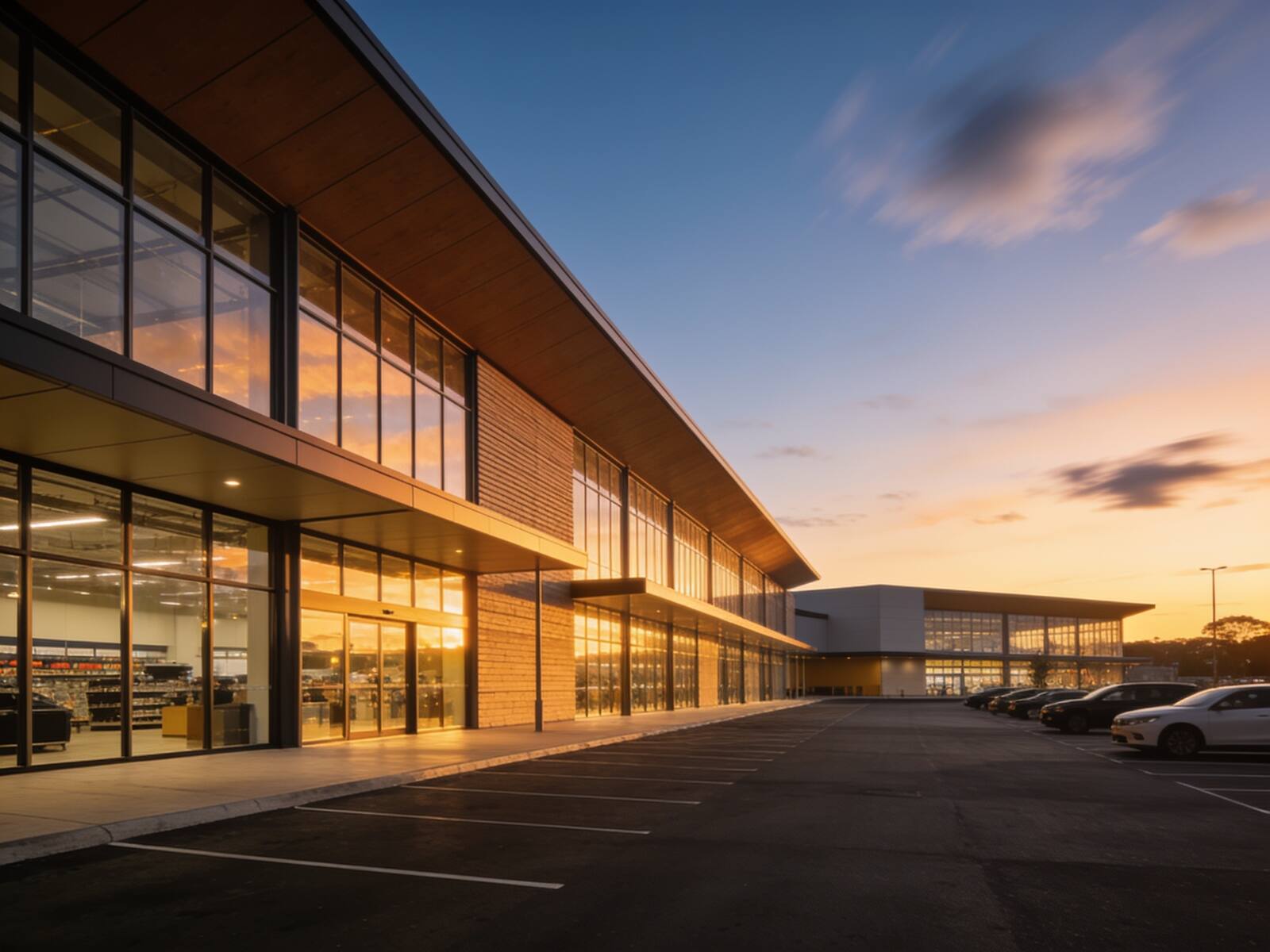
Strip retail, shopfronts, neighbourhood and bulky goods centres, handled across the full life of the tenancy.
Asset types we manage
- Strip retail and standalone shopfronts
- Neighbourhood shopping precincts
- Bulky goods and large format retail centres
- Strata retail shops and mixed-use developments
- Food and beverage, allied health, service and specialty tenants
On the ground
We read the file before we quote. The lease, the disclosure, the outgoings history. Then we tell you where the gaps are.
Lease management
- Disclosure preparation and service
- Term and contracting out checks
- Rent review, CPI and option dates
- Arrears control and default management
Outgoings and reporting
- Annual budget and written estimate
- Reconciliation inside the 3 month deadline
- Capped categories tracked to the lease
- Monthly owner statement
The levers most managers never touch.
A retail centre is not a stack of identical tenancies. Turnover rent and tenant mix are the two levers that keep a precinct full and the rents holding. Run deliberately, they compound. Left alone, they leak.
Tenant mix managed on purpose. Anchor, complementary and specialty tenants placed so foot traffic carries across the centre, not so two competing shops cannibalise one trade.
Permitted use written tight. A loose use clause lets a tenant drift into a trade that undercuts the neighbour. We define it at grant and hold it at renewal.
Turnover reporting made enforceable. The Act limits what turnover information a tenant must provide. We structure the clause so the figures are auditable and the calculation stands up.
What gets measured, and how Blox checks it.
Rent is set on NLA. Outgoings are sometimes budgeted on GFA. The gap between the two is silent under-recovery until someone measures both and aligns the apportionment.
One fee. Your tenant pays.
Retail management should cost what it costs. Blox charges a 5% management fee, recoverable from the tenant through outgoings on a net lease. For most landlords it is not a cost out of pocket.
- No contractor markups
- No disbursement margins
- No hidden charges buried in monthly statements
See the full breakdown on our commercial property management fees page, ask about commercial leasing for your vacancy, or contact our Sydney firm for a quote.
Get a quoteWhat retail landlords can and cannot recover.
Getting the outgoings schedule right matters at the start of the tenancy. It matters more at reconciliation time.
Recoverable under the Act
Council and water rates by NLA or GFA share. Building, liability and plate glass insurance. Common area maintenance, cleaning, lighting, landscaping and car park costs. Annual fire safety statement costs. Management fees where the lease permits and they are not excessive against market.
Not recoverable: landlord costs
Land tax, void under the Act. Capital expenditure, structural works and roof replacements. Depreciation on the building or capital plant. Landlord income tax on rental income. Repair costs caused by the landlord's own failure to maintain the building.
Free CPI calculator
Is your retail rent review calculated correctly?
Check the exact increase for any retail tenancy using the correct ABS Sydney series. Updated quarterly. No login, no obligation.
Real ABS Sydney CPI data. The same series a retail rent review clause points to, refreshed every quarter.
Use the calculatorKeep reading across the practice.
Retail sits inside a full commercial management, leasing and lease setup service across Sydney.
Property management
The full commercial management service, 5%, across every asset class.
Explore ServiceCommercial leasing
Fill a retail vacancy at full market rent with a compliant lease.
Explore PricingFees
The 5% fee, what it covers, and why your tenant pays it.
Explore Lease setupLease Launch
Fixed-fee retail lease preparation, disclosure and registration done right.
Explore Talk to usContact
Speak to the Sydney firm about your retail asset and where the gaps are.
ExploreRetail property management questions.
The questions retail landlords across Sydney most commonly ask Blox.
What is the Retail Leases Act 1994 NSW and why does it matter for landlords?
The Act imposes mandatory obligations on landlords of retail premises: serve a disclosure statement at least 7 days before signing, do not recover land tax from retail tenants, and reconcile outgoings within 3 months of year end. The Act also sets a minimum 5 year term unless the tenant validly contracts out, and voids prohibited clauses. Non-compliance voids lease clauses and creates financial exposure. Most general managers are not fluent in the Act. Blox treats it as the baseline framework for every retail tenancy.
Is there a minimum lease term for a retail shop in NSW?
Yes. The Retail Leases Act 1994 NSW provides a minimum 5 year term for a retail shop lease, including any option, unless the tenant obtains a certificate and validly contracts out of the minimum. A lease drafted without addressing this can be extended to 5 years by operation of the Act. Blox checks the term and the contracting out position on every retail lease.
Can a landlord recover land tax from a retail tenant in NSW?
No. The Retail Leases Act 1994 NSW voids any clause that purports to recover land tax from a retail tenant. Even where the lease contains such a clause, it is unenforceable. Landlords who attempt to recover land tax risk NCAT proceedings and refund orders for prior years it was charged. Blox identifies land tax clauses on commencement and adjusts the outgoings budget.
What is the difference between GFA and NLA in a retail lease?
GFA is the total floor area measured from the external face of walls. NLA excludes common areas, structural elements, and service voids. Retail leases quote rent on NLA, but outgoings budgets are sometimes calculated on GFA. A discrepancy can mean landlords under-recover outgoings. Blox audits every lease for GFA and NLA alignment and corrects the apportionment.
How does turnover rent work in a retail lease?
Turnover rent is an amount calculated as a percentage of the tenant's sales, payable in addition to or instead of base rent. The Retail Leases Act 1994 NSW regulates how turnover figures are collected and verified, and the tenant cannot be required to provide turnover information beyond what the Act permits. Blox structures turnover provisions so the reporting is enforceable and the calculation is auditable.
What is the outgoings reconciliation deadline for retail leases in NSW?
The Retail Leases Act 1994 NSW requires landlords to provide a statement of actual outgoings within 3 months of the end of the outgoings year. Miss the deadline and the right to recover shortfall outgoings is permanently lost. Blox diaries year end 90 days in advance, so the reconciliation is prepared and served well within the statutory window. See the fees page for what management covers, or call for a specific quote.
Talk to a retail specialist
Own a retail asset? Let's talk.
Own retail anywhere across Sydney? Blox will review your lease and management position at no cost and tell you where the gaps are. A straight assessment, not a sales pitch.
(02) 8883 4559NSW Licence 1013554 · ABN 20 633 280 109