On this page
Commercial property management is the day-to-day operation of a non-residential property on behalf of its owner. The manager collects rent, administers the lease, reconciles outgoings, tracks review and option dates, and reports the financial position to the landlord. Every one of those tasks carries a deadline. Miss it and you lose revenue, or you lose a recovery right for good.
The role exists because commercial leases are operationally and legally different from residential leases. A commercial lease can run for five to fifteen years. It can contain compounding CPI reviews, recoverable outgoings clauses, makegood obligations, demolition clauses, options to renew, and personal guarantees. Each one has a deadline. Miss the deadline and the landlord either loses revenue or loses recovery rights permanently.
Section 28 of the Retail Leases Act 1994 (NSW) is the standard example. A landlord who fails to reconcile estimated outgoings against actuals within the statutory window loses the right to recover any shortfall.
A plain definition
Commercial property management is the professional operation of office, retail, industrial, warehouse, strata commercial, and mixed-use property for its owner. The manager runs rent collection, lease administration, outgoings, rent reviews, compliance tracking, and owner reporting, so the asset stays compliant and the income stays protected.
The discipline sits between the legal documents and the cash. A lease sets the rules. A property manager makes sure those rules are followed on the calendar they were written for, and that the money lands where it should.
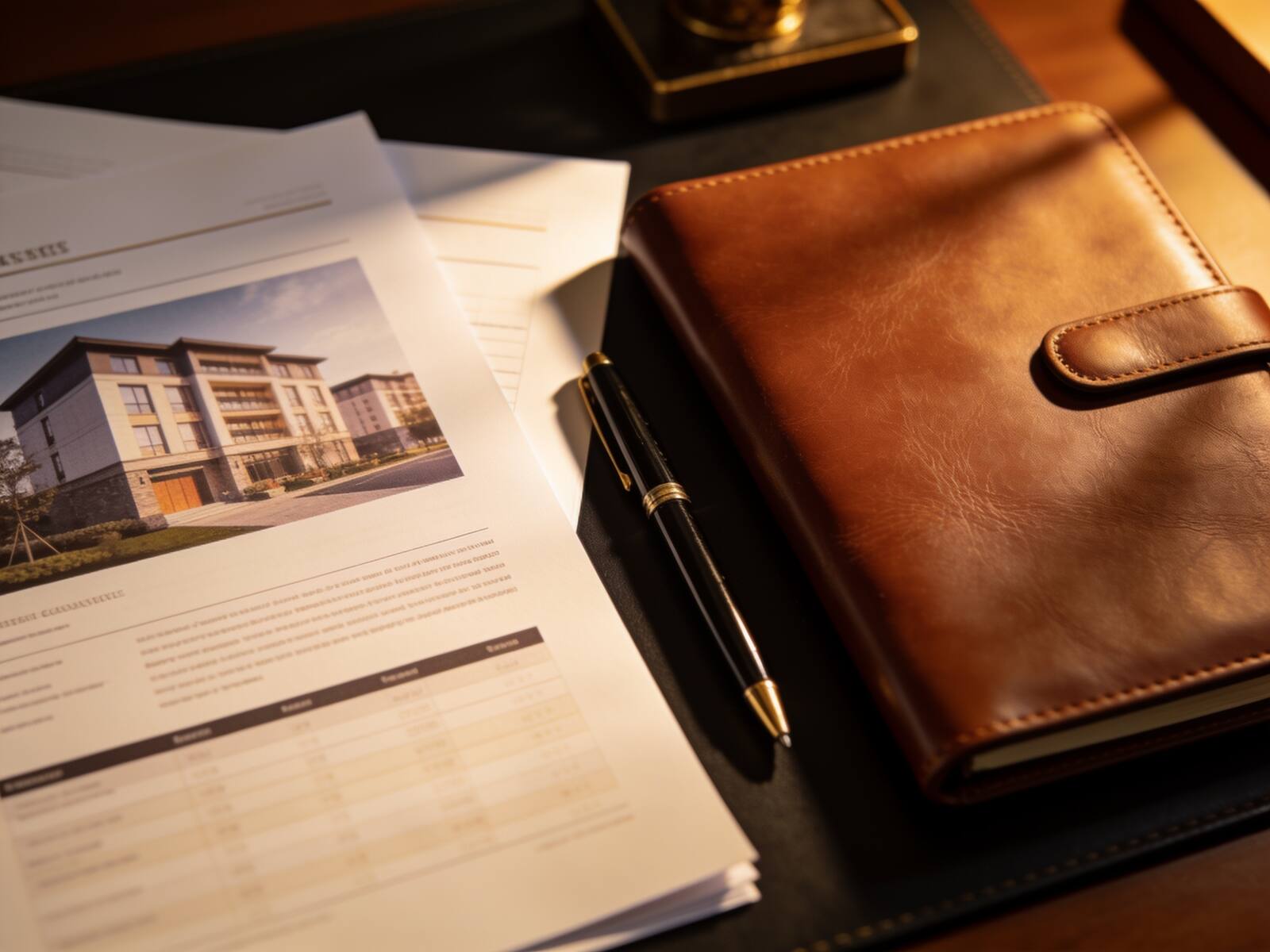
What a commercial property manager does in practice
The work runs across seven repeating tasks.
Rent collection and arrears control
The manager invoices monthly, tracks payments, and follows up arrears under the framework the lease sets. Most defaults can be cured inside 14 days if the manager moves on day one.
Rent reviews
Commercial leases use CPI, fixed percentage, market, or hybrid mechanisms. The manager calculates the review using the right ABS series and compounding method, issues notice on time, and tracks the result back into the tenant ledger. Run a CPI review in 30 seconds with the Blox CPI rent review calculator.
Outgoings administration
The landlord estimates outgoings annually. The tenant pays monthly against the estimate. The manager reconciles to actuals after year end. In retail leases under NSW law, the reconciliation has a statutory deadline. Land tax cannot be passed to retail tenants. Capital expenditure cannot be recovered as operating outgoings. The outgoings reconciliation calculator surfaces overcharges and recovery shortfalls.
Bank guarantee, insurance, and statutory tracking
Every bank guarantee, public liability certificate, and occupancy compliance document has an expiry date. The manager runs a register and follows up before each one expires. See the bank guarantee guide for the renewal mechanism.
Tenant communications, maintenance, and inspections
The manager is the first point of contact for tenant repair requests, neighbour issues, and lease enquiries. Regular property inspections protect the asset and the tenant relationship.
Leasing transitions
When a lease ends, the manager negotiates renewal, prepares for handover, or starts the leasing campaign. Pre-leasing starts the day notice is given, not the day the lease ends.
Owner reporting
The manager produces a monthly statement, an annual outgoings reconciliation, and ad hoc reports on rent reviews, lease expiries, and compliance. The reporting must be clean enough to drop into the owner's tax return without rework.
What a commercial property manager does not do
A property manager does not sell the property, act as the tenant's lawyer, or value the property for finance. The work is operational. Sales, legal advice, and valuation are separate disciplines that the manager coordinates with as needed, rather than performing directly.
Keeping the boundary clear protects the landlord. A manager who blurs into selling or legal opinions is a manager who has stopped watching the calendar that actually loses you money.
What does it cost?
Across NSW, commercial property management fees usually fall between 4% and 7% of gross income, charged monthly, often with letting and renewal fees on top. Blox Commercial charges a 5% all-inclusive fee, and the fee can frequently be recovered from the tenant as an outgoing, depending on the lease.
Letting fees, lease renewal fees, and administration fees are common add-ons under traditional fee structures, which makes the headline percentage misleading. An all-inclusive fee removes the surprise line items. See the fees page for the published structure.
| Charge | Traditional NSW manager | Blox Commercial |
|---|---|---|
| Management fee | 4% to 7% of gross income | 5%, all-inclusive |
| Letting fee | Often charged per new lease | $0 |
| Lease renewal fee | Often charged on renewal | $0 |
| Administration add-ons | Common | $0 |
| Recoverable from tenant | Lease dependent | Lease dependent |

How to choose a commercial property manager
Ask four questions.
- What is included in the management fee?
- How does the manager track rent reviews and outgoings reconciliations?
- How quickly does the manager respond to tenant maintenance?
- What reporting does the owner receive each month?
A manager who cannot answer all four directly is the manager who lets statutory deadlines slip.
Sydney and NSW context
Sydney commercial property is a large enough market that specialist managers can compete on responsiveness against larger networks. The Hills District, Norwest, Parramatta, and the Sydney industrial corridors run high-volume commercial leasing activity. A landlord in those corridors should expect a manager to be physically nearby or to hold a documented response protocol for after-hours issues.
Questions landlords ask
What does a commercial property manager do?
A commercial property manager collects rent, administers the lease, reconciles outgoings, tracks rent review and option dates, manages bank guarantees and insurance, coordinates maintenance, and reports the financial position to the landlord. The work covers office, retail, industrial, warehouse, strata commercial, and mixed-use property.
Do I need a commercial property manager for my investment property?
Commercial leasing in NSW carries obligations a residential lease does not, including the Retail Leases Act 1994, outgoings reconciliation deadlines, bank guarantee handling, and formal rent review processes. A specialist manager reduces the risk of missed reviews and compliance failures that can permanently cost a landlord recovery rights.
How much does commercial property management cost in NSW?
Across NSW, fees usually fall between 4% and 7% of gross income, charged monthly, with letting, renewal and administration fees common as add-ons. Blox Commercial charges a 5% all-inclusive fee with no add-on charges, and the fee can often be recovered from the tenant as an outgoing depending on the lease.
What does a commercial property manager not do?
A property manager does not sell the property, act as the tenant's lawyer, or value the property for finance. The work is operational. Sales, legal advice, and valuation are separate disciplines the manager coordinates with as needed.